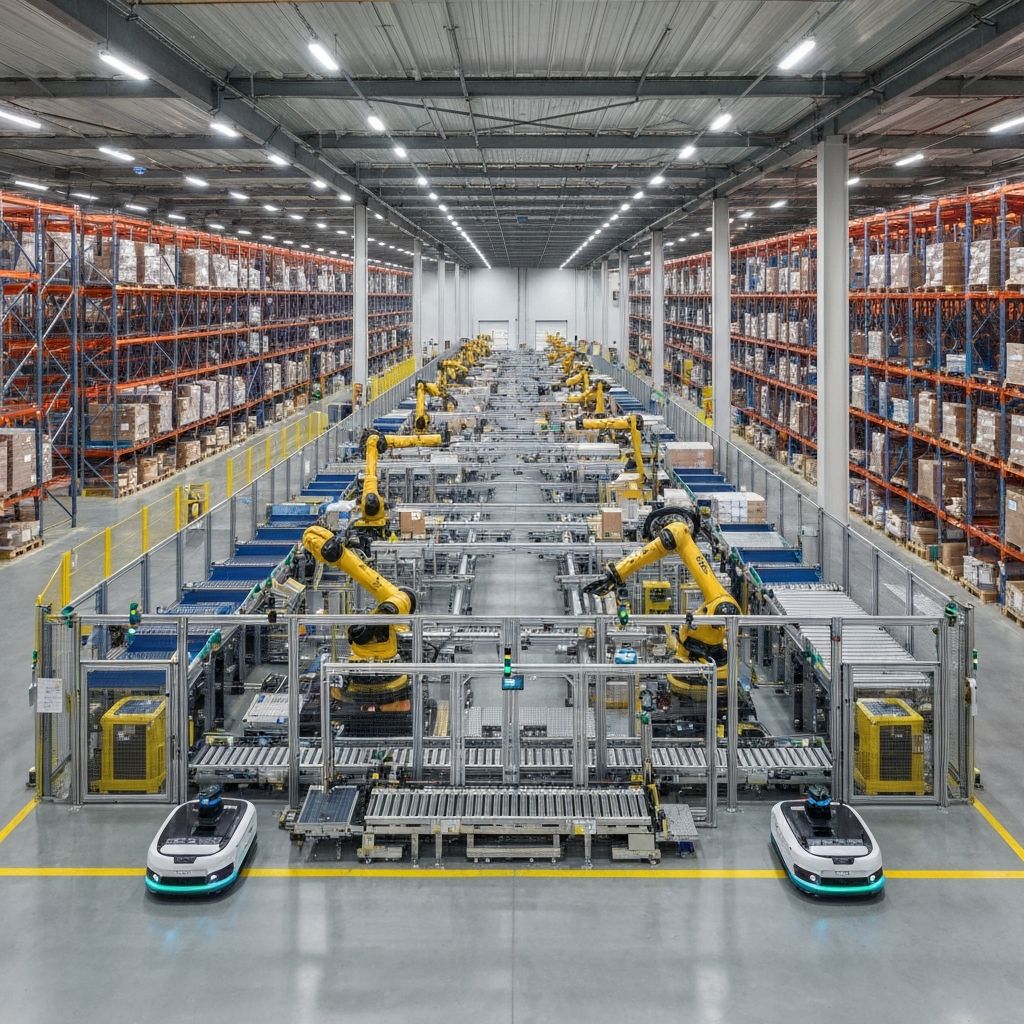
Warehouse automation represents one of the largest capital investment decisions logistics companies face. With options ranging from simple conveyor systems to fully autonomous robots, the ROI calculation can be complex and highly dependent on operational specifics.
The first step in any automation ROI analysis is understanding your current cost structure. Labor typically represents 50-70% of warehouse operating costs, but not all tasks are equally suited for automation. High-volume, repetitive tasks offer the clearest automation opportunities.
Payback periods for warehouse automation vary widely. Simple automation like pick-to-light systems might pay back in 12-18 months, while major investments in automated storage and retrieval systems (AS/RS) might take 5-7 years. The key is matching the investment to your volume and growth projections.
Beyond direct labor savings, automation delivers secondary benefits that are harder to quantify but equally important: improved accuracy, reduced product damage, better space utilization, and the ability to operate extended hours without proportional labor cost increases.
The most successful automation projects start with clear operational data. Before investing, ensure you have accurate measurements of throughput, error rates, labor productivity, and space utilization. This baseline is essential for measuring ROI and identifying the highest-impact automation opportunities.
Ready to transform your logistics operations?
See how AI Tech Logistics can help you implement the strategies discussed in this article.