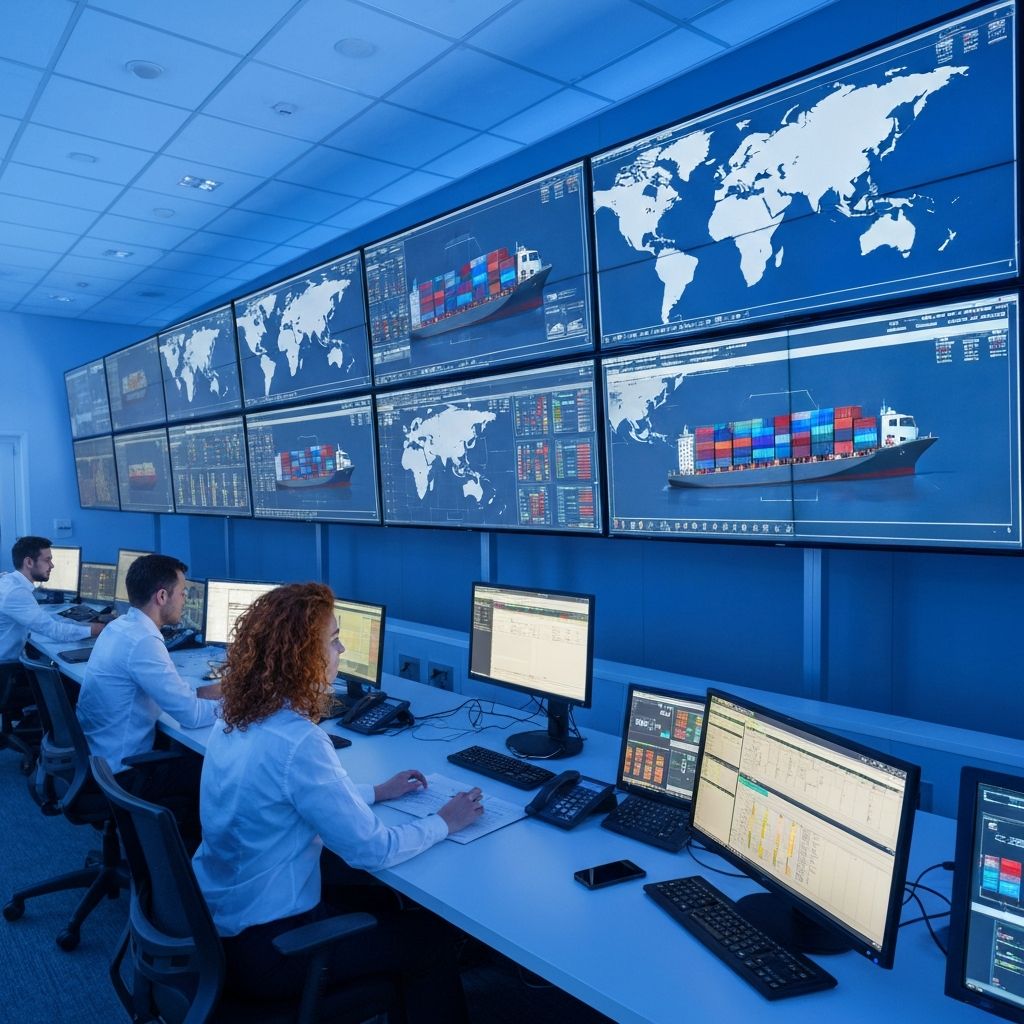
Supply chain visibility has become a board-level priority for companies across industries. The disruptions of recent years exposed just how fragile global supply chains can be when you're operating blind. But closing visibility gaps requires more than just adding tracking—it requires a strategic approach to data integration.
The challenge isn't a lack of data. Most logistics operations generate enormous amounts of information across TMS, WMS, carrier systems, and IoT devices. The problem is that this data lives in silos, formatted differently, updated on different schedules, and often contradicting each other.
True end-to-end visibility requires a unification layer that can normalize data from disparate sources into a single, coherent view. This is where modern logistics platforms add value—not by replacing existing systems, but by connecting them and providing a single source of truth.
The benefits extend beyond operational efficiency. With unified visibility, companies can provide better customer service, identify potential disruptions before they impact delivery, and make data-driven decisions about carrier performance and network optimization.
Implementation doesn't have to be all-or-nothing. The most successful visibility initiatives start with the highest-value data flows and expand from there. Quick wins build momentum and justify continued investment.
Ready to transform your logistics operations?
See how AI Tech Logistics can help you implement the strategies discussed in this article.