Autonomous Vehicles and the Future of Freight Transportation
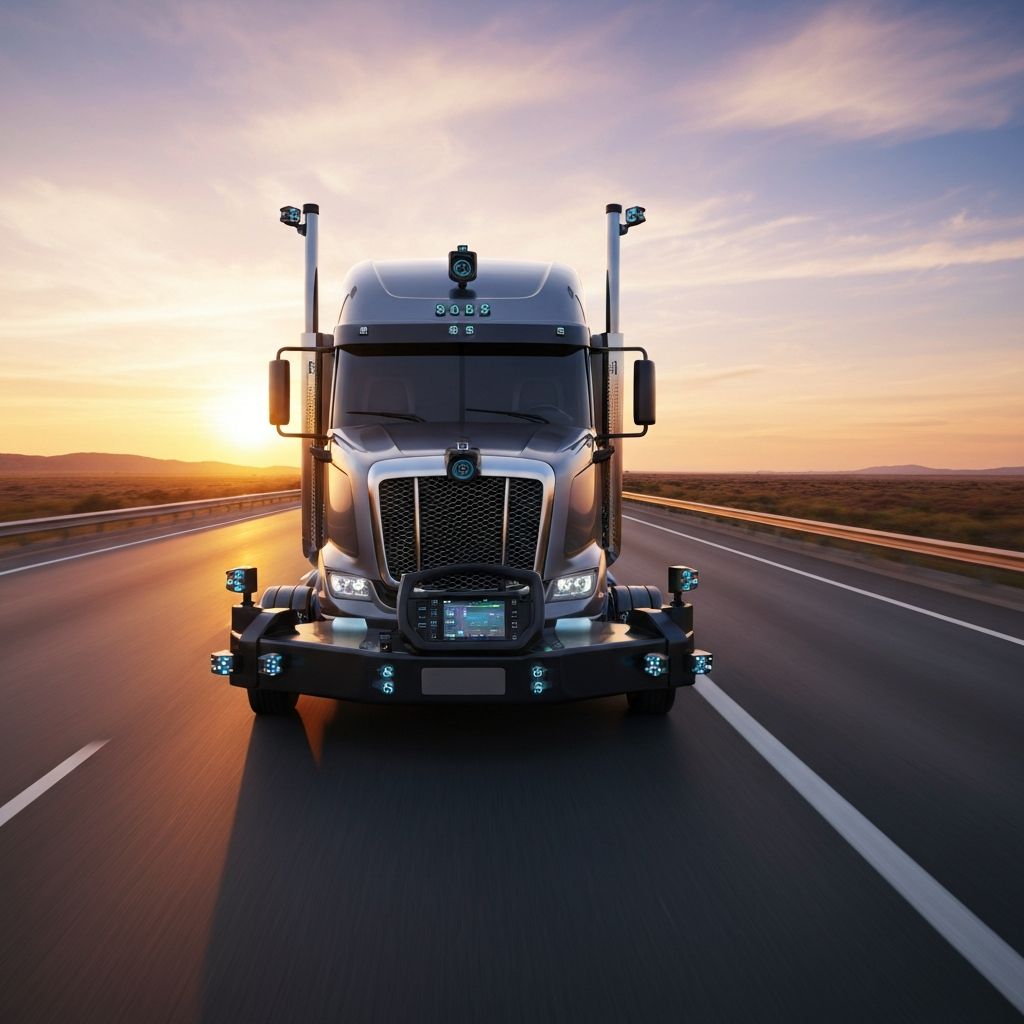
The freight transportation industry stands on the cusp of its most significant transformation since the introduction of containerization. Autonomous vehicle technology, once relegated to science fiction, is now being tested on public roads by major trucking companies and technology firms alike.
The current state of autonomous trucking is more advanced than many realize. Companies like Aurora, Waymo, and TuSimple are operating Level 4 autonomous trucks on select highway routes, with safety drivers present but increasingly hands-off. These pilot programs are generating the operational data needed to prove the technology's viability.
The economic implications for freight are substantial. Driver wages represent approximately 40% of trucking operating costs, and the industry faces a persistent driver shortage estimated at over 80,000 unfilled positions. Autonomous trucks could operate longer hours without mandatory rest breaks, potentially doubling asset utilization.
However, the path to widespread adoption faces significant hurdles. Regulatory frameworks vary by state and country, creating a patchwork of rules that complicate route planning. Public acceptance remains uncertain, particularly following high-profile accidents involving autonomous vehicles. And the technology still struggles with edge cases—unusual weather conditions, construction zones, and complex urban environments.
For logistics companies, the strategic question isn't whether autonomous trucks will arrive, but how to prepare for them. This means evaluating fleet management systems that can integrate autonomous vehicles, designing facilities with autonomous loading in mind, and developing workforce transition plans for drivers who may need to shift into different roles.
The most likely near-term scenario is a hub-to-hub model where autonomous trucks handle long-haul highway segments while human drivers manage the more complex first and last miles. This approach plays to the technology's current strengths while addressing its limitations, and provides a gradual transition path for the industry.
Ready to transform your logistics operations?
See how AI Tech Logistics can help you implement the strategies discussed in this article.