How AI-Driven Route Optimization is Reshaping Logistics
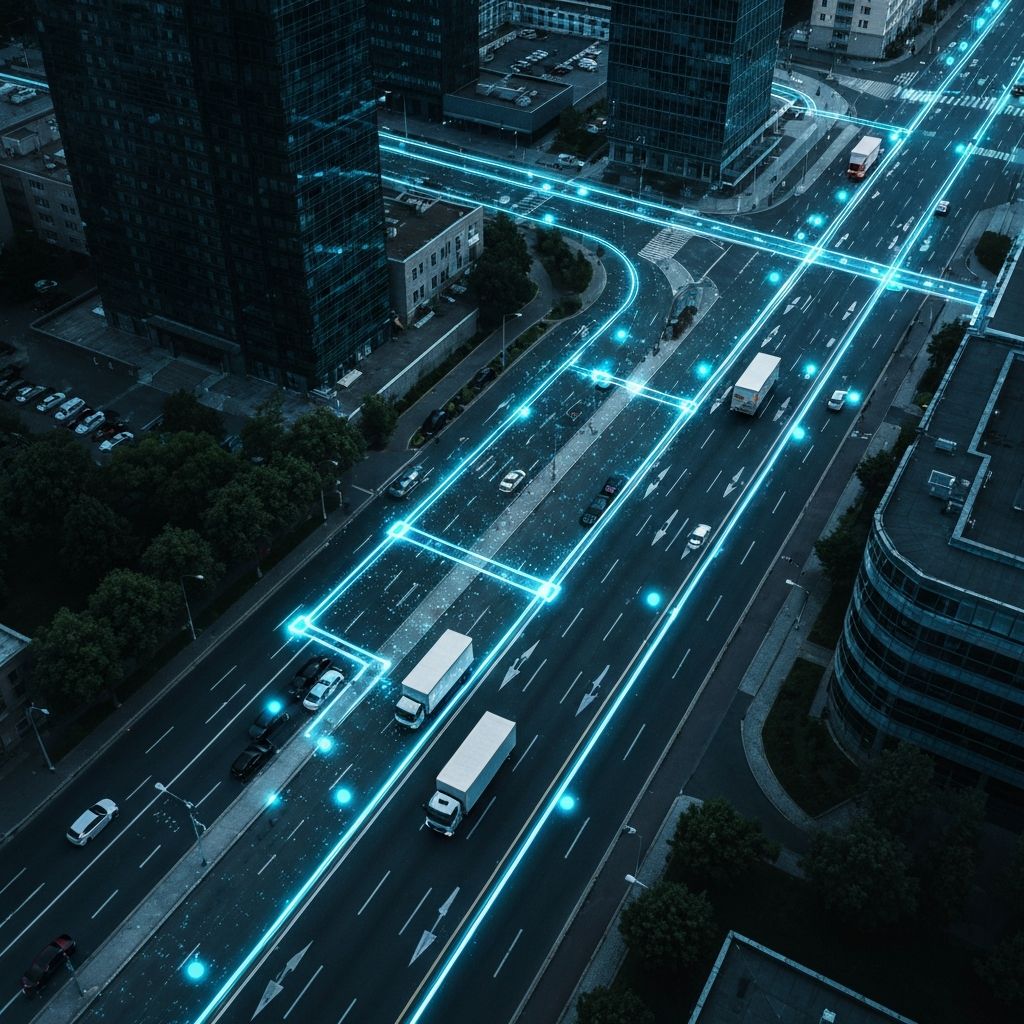
Route optimization has long been a cornerstone of logistics efficiency, but the advent of AI and machine learning is taking it to unprecedented levels. Traditional route planning relied on static rules and historical averages, but modern AI systems can process thousands of variables in real-time to find truly optimal solutions.
The key differentiator is adaptability. AI-powered route optimization doesn't just plan routes—it continuously learns and adapts based on actual outcomes. Every delivery provides data that feeds back into the model, making predictions more accurate over time.
Modern AI routing systems consider factors that were previously impossible to incorporate: real-time traffic patterns, weather forecasts, driver-specific performance characteristics, vehicle capacity constraints, and customer preference windows. The result is routes that minimize not just distance, but total cost of delivery.
For logistics operations, the implications are significant. Companies implementing AI-driven route optimization typically see 15-25% reductions in transportation costs, along with improvements in on-time delivery rates and driver utilization. These aren't marginal gains—they represent meaningful competitive advantages.
The technology is also becoming more accessible. What once required massive computing infrastructure can now run on cloud platforms, making AI route optimization available to mid-market logistics operations that couldn't previously justify the investment.
Ready to transform your logistics operations?
See how AI Tech Logistics can help you implement the strategies discussed in this article.